
Top Waterproofing Products for Effective Moisture Protection
Discover the leading waterproofing solutions designed to safeguard your property from water damage and ensure durability.
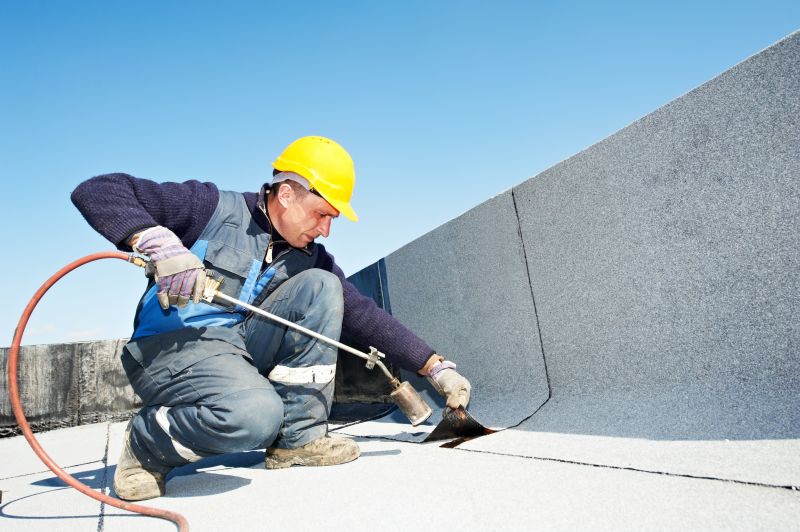 Waterproofing products are essential for protecting structures from moisture intrusion, which can lead to damage, mold growth, and structural deterioration. Whether applied to foundations, roofs, basements, or interior surfaces, choosing the right waterproofing solution depends on various factors including the area to be protected, environmental conditions, and the type of surface. Proper application and selection of high-quality materials can help maintain the integrity of a building over time.
Top Overall Option
Liquid Waterproofing Membrane
Liquid waterproofing membranes are versatile, easy-to-apply coatings that form seamless, flexible barriers against water ingress. Suitable for various surfaces including roofs, basements, and foundations, they offer durable protection when properly applied. These membranes can accommodate slight structural movements and provide a continuous layer that minimizes vulnerabilities. Their ease of application makes them a popular choice for both DIY enthusiasts and professionals seeking reliable waterproofing solutions.
Types of Products For Waterproofings
Bituminous Coatings
Asphalt-based coatings that provide a thick, protective layer suitable for foundations and roofs, offering resistance to water and weather elements.
Polyurethane Coatings
Flexible, high-performance coatings ideal for sealing surfaces exposed to movement or cracking, often used on roofs and decks.
Liquid Rubber Membranes
Elastomeric coatings that create seamless, waterproof layers, suitable for various surfaces including basements and balconies.
Cementitious Waterproof Coatings
Waterproof cement-based products that are easy to apply and commonly used for underground structures and bathrooms.
Bitumen Sheets and Membranes
Self-adhesive or torch-applied sheets used for waterproofing foundations, roofs, and tunnels.
Sealants and Caulks
Flexible sealants used to fill joints, cracks, and gaps to prevent water infiltration.
Polymer Modified Bitumen
Enhanced bitumen products with added polymers for improved elasticity and durability in roofing applications.
Hydrophobic Paints
Specialized paints that repel water and are used on exterior walls and surfaces prone to moisture exposure.
Epoxy Coatings
Durable coatings often used for basement floors and concrete surfaces requiring waterproofing and chemical resistance.
Spray-On Waterproofing
Aerosol or liquid spray coatings that provide quick, uniform waterproof layers on various surfaces.
Membrane Sheets
Pre-formed sheets that are adhered to surfaces for reliable waterproofing, often used in foundation and roof applications.
Crack Injection Systems
Specialized products used to seal and reinforce cracks in concrete or masonry structures.
Waterproofing Fabrics and Mats
Reinforcing fabrics used in conjunction with liquid membranes or coatings to provide additional strength.
Drainage Boards
Protective layers that facilitate water drainage away from foundations, reducing hydrostatic pressure.
Popular Choices
A widely used option for creating seamless waterproof barriers on various surfaces.
Commonly selected for their durability and weather resistance in foundational and roofing applications.
Popular for sealing joints and cracks in surfaces exposed to movement or moisture.
Favored for underground structures and bathrooms due to their ease of application and reliable results.
Preferred for their proven performance in membrane waterproofing on roofs and basements.
Applied to exterior walls to provide water-repellent properties and protect against moisture.
Chosen for their chemical resistance and durability on concrete floors and surfaces.
Convenient for quick coverage and irregular surfaces, gaining popularity for various projects.
Effective for repairing and sealing cracks in concrete structures to prevent water intrusion.
Important for foundation waterproofing, helping manage water flow and reduce hydrostatic pressure.
In Hixson, TN, where humidity and rainfall are common, effective waterproofing is particularly important for both residential and commercial properties. Many products are designed for specific applications, such as liquid membranes for cracks, sealants for joints, or membrane coatings for large surfaces. Understanding the differences between these products can help property owners make informed decisions tailored to their needs.
Applying waterproofing solutions correctly involves considering surface compatibility, ease of application, and durability. Some products are suitable for DIY projects, while others may require professional installation to ensure optimal performance. Regular maintenance and inspections can also extend the lifespan of waterproofing measures, preventing costly repairs down the line.
Investing in reliable waterproofing products can contribute to the longevity of a property, protect valuable assets, and enhance overall safety. By selecting appropriate materials and following best practices, property owners in Hixson can effectively safeguard their buildings against moisture-related issues, ensuring peace of mind for years to come.
Key Buying Considerations
- Identify the specific area or surface requiring waterproofing to select the most appropriate product type.
- Consider the environmental conditions, such as rainfall, humidity, and temperature fluctuations, in Hixson, TN.
- Determine whether a liquid, sheet, or sealant product best suits your project needs.
- Check surface compatibility to ensure the product adheres properly and performs as intended.
- Assess ease of application, especially if considering a DIY project—some products require professional skills.
- Evaluate the flexibility and elasticity of the waterproofing material to accommodate structural movement.
- Review the durability and lifespan expectations of the product to ensure long-term protection.
- Consider the product’s resistance to UV rays, weathering, and chemical exposure if applicable.
- Verify compatibility with existing materials to prevent adverse reactions or adhesion issues.
- Look into curing times and application conditions to plan your project timeline effectively.
- Examine the waterproofing’s breathability if moisture vapor transmission is a concern.
- Assess the maintenance requirements and whether the product allows for easy inspections or repairs.
- Review safety data sheets and handling instructions to ensure safe application practices.
- Determine if the product is suitable for interior or exterior use, depending on your project location.
- Consult local building codes or regulations in Hixson, TN, to ensure compliance with waterproofing standards.